Welcome to The Cathedral School, Llandaff
TOP INDEPENDENT SCHOOL
NURSERY & INFANT OPEN MORNING

EXAMINATION RESULTS 2025
Congratulations to the Class of 2025 for their exceptional A Level results, achieving 73% of all grades at A*-A and 89% at A*-B. The most common grade was A* with 14 students achieving three or more A*s reflecting the School’s strong academic ethos and commitment to personal achievement. 83% of university applications were secured at Russell Group universities.

See what The Good Schools Guide says about our Primary and Senior Schools.
Prospective Families
Our Registrar, Ms Deborah Whitehouse would welcome the opportunity to talk to you, explain our admissions procedures and chat through why The Cathedral School might be the right choice of school for your family. Ms Whitehouse can be contacted one 029 2083 8504 or via email registrar@cathedral-school.co.uk
Our Open Days are a wonderful opportunity to come and see what makes The Cathedral School so special. Forthcoming events can be found here and we look forward to welcoming you to The Cathedral School. Alternatively, if you would like to arrange an individual visit, please contact the Registrar to arrange a convenient date and time.

OUTSTANDING SCHOOL FOR
GIRLS AND BOYS
AGED 3 - 18
First class academic teaching, excellent facilities and an extensive co-curricular programme, underpinned by high quality pastoral care and the school’s Christian ethos, give Cathedral School pupils the opportunity to reach their full potential, both academically and personally, in a vibrant and supportive environment.
Why the Cathedral School
At the Cathedral School, we strive, day in and day out, to provide the scaffolding for achievement in any and all fields. We recognise that all young people have a unique set of skills and enable all pupils to fulfil their potential. It is possible for excellence to become a habit and this starts from day one.
At the Cathedral School, we foster a climate of care for one other, focusing on kindness, thoughtfulness and respect. We learn to listen to and understand the beliefs and values of one another. We help every child to understand that they hold their own destiny in their hands, to understand the value of hard work and to learn to love their neighbour. All of us are equally important members of the school community, valuable, distinct and unique.
At the Cathedral School, nurtured by our Christian values, we make sure that each child is able to find what they can excel at. We encourage them to search out opportunity, not waiting for it to come knocking. Our wide range of opportunities develop confidence, allowing each child to find what they excel at. From there the sky is the limit.
At the Cathedral School, we look to ignite the spark that fires ambition, and teach how to handle that ambition with humility. Ambition is doing your best, not shouldering others to the side but working together. It is relishing the challenge and celebrating each milestone reached, not just for ourselves but for the whole community.
Leadership is about inspiration and each child is inspirational. Together, we are creating an inspiring vision of the future and building compassionate and active citizens. Leadership is about listening, learning and working together and every voice counts. The confidence gained at the Cathedral School will allow each child to get the best out of their life.
What our pupils say...
Parents send their children to The Cathedral School in order to give them the life chances that are born of confidence

It has been really exciting moving into Year 3 and there are lots of new things to enjoy including drill night, going to the library at lunchtime and a trip to Stonehenge! Being a good friend is something we all try to do, in the classroom and in the playground. I completed the Digital Leaders’ course in Year 2, so I’m now able to share internet safety tips with Years 3-6 to help them be safe online.
Archie, Year 3

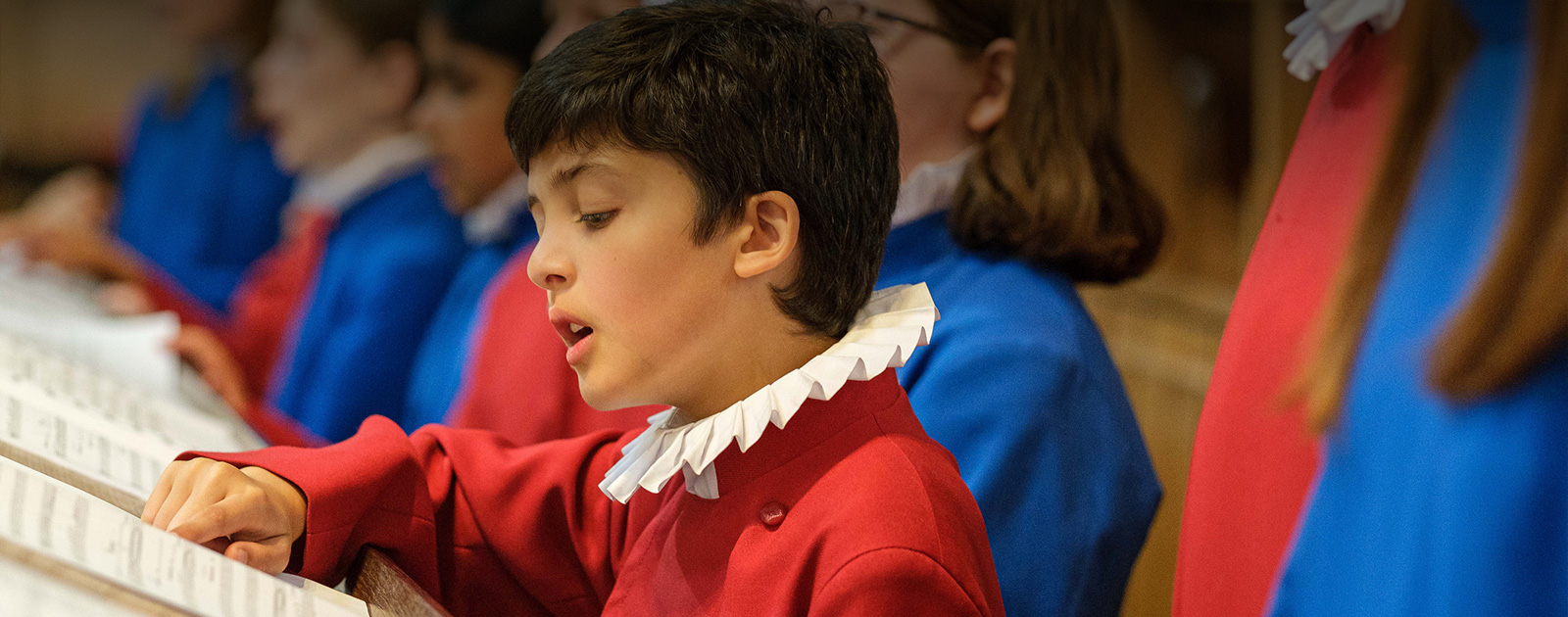
Last year, we set up Rewind Fast Forward, a school news show for the pupils. Using the School calendar, we plan items, interview pupils and staff on serious and not so serious topics and capture footage weekly to show in assembly. It is great to create something that the pupils and teachers appreciate and enjoy so much. I am also a Boy Chorister and feel very lucky to be able to sing in such a beautiful place as Llandaff Cathedral.
Joseph, Year 6

Having started playing the guitar in Reception, I wanted to take up a woodwind instrument in Year 4. My teacher encouraged me to try them all before I chose the bassoon. It is a hard instrument to learn but fun at the same time. I also enjoy dance, skiing, swimming and all sport. We started girls’ cricket last year and although
I wasn’t too sure at first, I was really glad I gave it a go. I try to get involved in as much as I can, as I don’t want to miss out on anything!
Imogen, Year 6

The Bonding Weekend was such a good way for everyone to get to know each other before the start of Year 7. As a Senior pupil, there are even more opportunities to try out. I play the violin, piano and saxophone so have really enjoyed performing in new ensembles. I love writing and in Year 4, I wrote a children’s book that was published and last year I entered the National Young Writers’ Award and was the Regional Winner for Wales. I always strive to do the best that I can…there’s no point in doing it otherwise.
Janvi, Year 7

There is a real sense of being encouraged to try new things and not to be afraid if they don’t always work out. Since joining in Year 7, I have really enjoyed making new friends, playing competitive sport, being part of the cast of High School Musical and Blood Brothers, learning a new instrument and so much more. One day you can be singing a chart song for House Singing and then the next, rehearsing a classical piece with 100 members of Senior Chamber Choir in the Royal Welsh College or the Wales Millennium Centre.
Tommy, Year 9

As a runner, I always aim to finish each race in a better position. Determination and focus help me to achieve this as well as giving me the drive to do my best in everything else I do. Studying for my GCSEs has meant I have had to learn how to use my time more effectively to fit everything in – training, school work, playing
the saxophone and practising for Jazz Band. The supportive culture encourages the right kind of ambition and the aspiration to aim high.
Francesco, Year 11

Representing Wales and England at U15 and U17 level in international football have been my biggest achievements so far. At times, it can be challenging to manage training and homework, but school has really helped me to find a good balance. Playing sport is fun, enjoyable and helps to keep you fit as well as giving you transferable qualities such as competitiveness, perseverance and team work.
Ellen, Year 11

Leadership is supported throughout the whole School and we are encouraged to create our own leadership opportunities. As Head Girl Chorister and Head Girl,
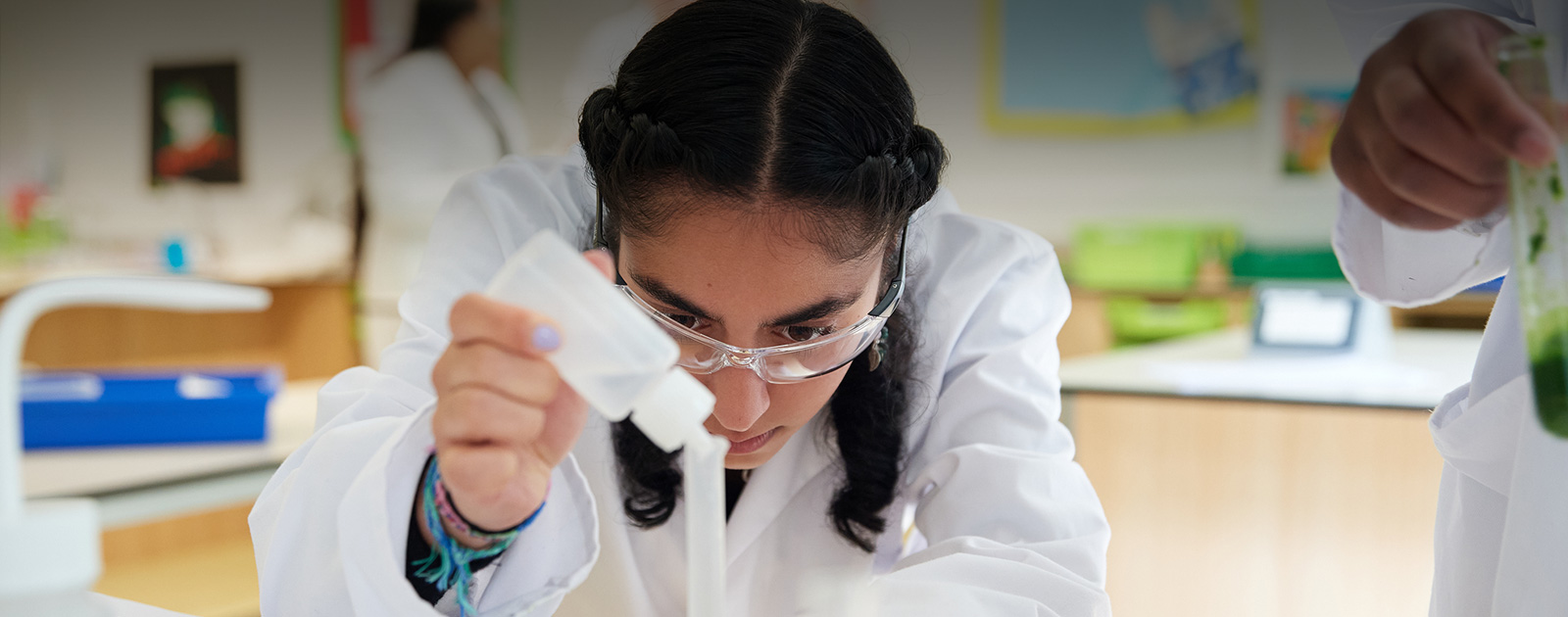
I have really appreciated and enjoyed being able to make a difference and to inspire younger pupils. Helping to establish the STEM (Science Technology Engineering and Mathematics) Society has meant that as Sixth Formers, we have shared our enjoyment of Science as well as developing our communication, organisational and team working skills.
Olivia, Year 13
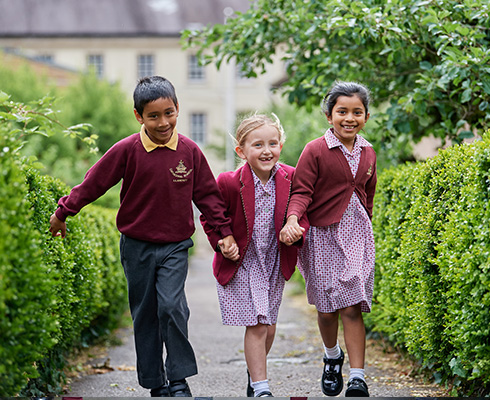
Primary
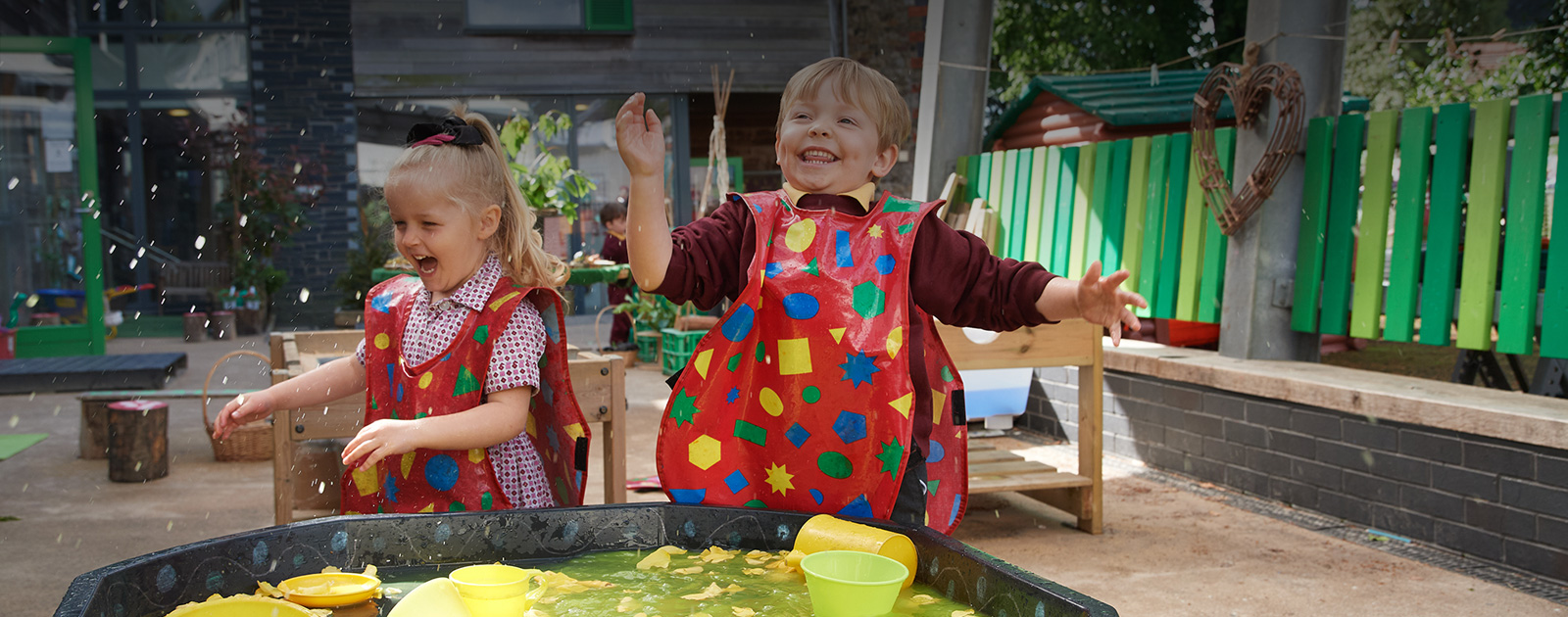
School for our youngest pupils is a journey of exploration. They are learning about the world and their place within it, the wisdom of the past to inform and guide their future.
Senior School
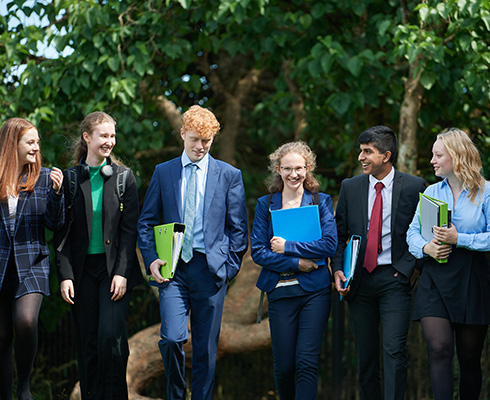
A traditional academic education, wide ranging co-curricular programme & community life equip our Senior pupils with key skills during these formative years.
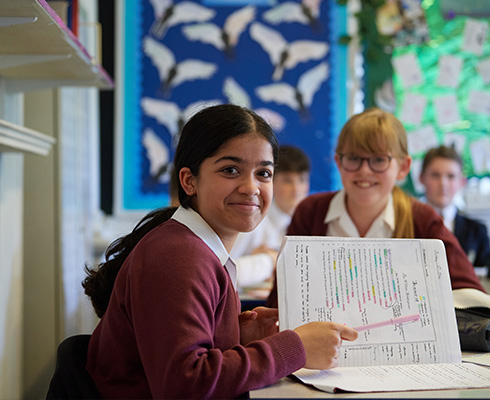
Sixth Form
Our aim is to prepare students for university life and beyond by helping them to achieve top examination results, develop an intellectual appetite and become well rounded individuals.